

Summary
Learn how to identify a high-quality red light therapy device by evaluating key factors such as wavelength accuracy, power output, pulsing technology, temperature control, lens focus, and design. This guide also explains why FDA-cleared devices with transparent testing, verified performance, and clear treatment specifications are more likely to deliver safe, effective results than lower-quality alternatives.
An increasing number of red light therapy devices are flooding the market in an attempt to capitalize on the treatment’s growing popularity.
While greater accessibility to red light therapy is a positive, it does increase the risk of people investing in low-quality devices, due to their tempting prices and misleading marketing.
Your health isn’t worth gambling with, so here’s how to identify a high-quality red light therapy device, such as the ones sold by HealthLight:
Key indicators of device quality
Wavelength – Low quality LEDs, found in some imports, cannot maintain a narrow band of the critical red and infrared wavelengths needed for effective treatment. Rapid fluctuations in light intensity reduce the stability of the light absorbed by the cells, impacting results.
Power output – The lower the power output of a device, the less energy is absorbed by the skin per minute. 20 minutes is the standard time for a red light therapy session, so it’s best to find a device that provides the highest amount of joules in that time, within FDA requirements. Independent laboratory testing confirms that HealthLight devices deliver the highest amount of light energy to the skin compared to other products.
Pulsing – Just like with medications, the body builds up a tolerance to red light. By including an LED pulsing function, the body continues to respond to treatment every session. HealthLight devices have a special microprocessor controlling the LED to allow pulsing.
Temperature – The FDA requires that LED products do not exceed 105F. Competitors may reduce the energy output in a treatment cycle, reduce the number of LEDs in their product, or simply ignore the FDA requirements. For patients with foot or hand numbness who can’t feel the higher temperatures, this could be dangerous. HealthLight pads operate at a temperature between 98-103F, which allows a full 20-minute session with the highest amount of joules without exceeding the FDA requirements.
Lens focus – Direct targeting of the red light to the area that needs relief is vital. Lower quality devices lack this lens focus, causing the light to scatter. HealthLight uses a 20-degree focused angle LED that delivers light energy directly into the body where it’s needed.
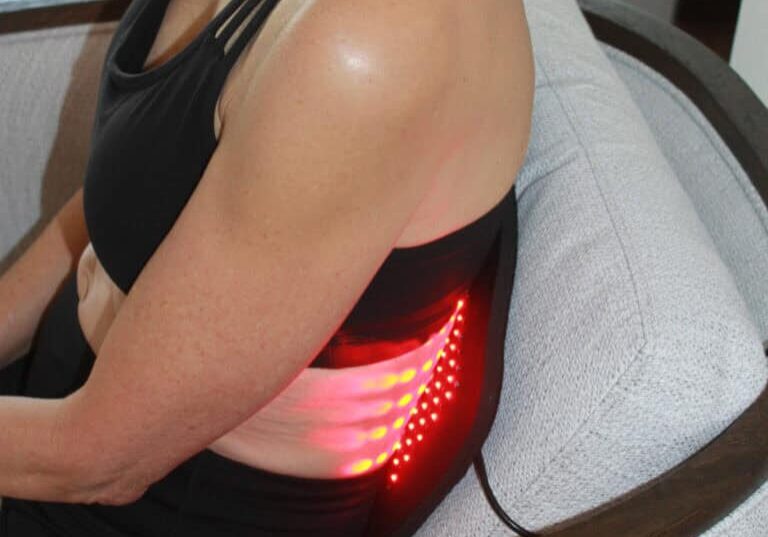
Usability and design features – Red light therapy is most effective when the device is in close contact with the treatment site. Products made of hard plastic cannot mold to the body, dispersing the light. HealthLight’s soft neoprene pads allow flexibility to conform to the shape of the body, minimizing any loss of light and maximizing the light energy into the body.
How device quality affects results
Poor device quality can mean that no matter how consistently you use the device, the positive results of the treatment will be minimal or you won’t feel any of the promised benefits at all.
“Dose control and irradiation time when using [red light therapy] are vital since either too low or too high amounts could lead to the problem of the treatment losing its effectiveness.”¹
In some cases, low device quality could even put your safety at risk if certain standards haven’t been adhered to. To be on the safe side, check to see whether a device is “FDA-cleared”.
Common issues in lower-cost copycat devices:
- Inconsistent irradiance
- Claims that are not independently verified
- Lack of transparent testing or certification
- Variable component quality
- Limited warranty or post-purchase support
- Minimal disclosure of manufacturing standards
Expert tip: The three-number test
A high-quality device should clearly state:
- Wavelength (typically in the 600-900nm range)
- Power in joules
- Recommended treatment time
Look out for these three key figures for a quick way to identify the quality of a red light therapy device.
¹ Gonzalez, J., Sanchez-Trinidad, Y. and Olmeda, K. (n.d.). THE EVOLUTION OF RED AND INFRARED LIGHT THERAPY IN MODERN TIMES. [online] Available at: https://www.nsca.com/contentassets/f5974883683c4a348635dd18cb721d4f/nsca-coach-11.1.1-evolution-of-red-and-infrared-light-therapy.pdf [Accessed 9 July 2026].
Start Your Pain Relief Journey Today
Contact us now and speak with a light therapy expert. They are here to help you find relief at home with soothing red light therapy.