
Medically reviewed by Karen Wolters, RN.
Quick Navigation
What Is Infrared Light Therapy?
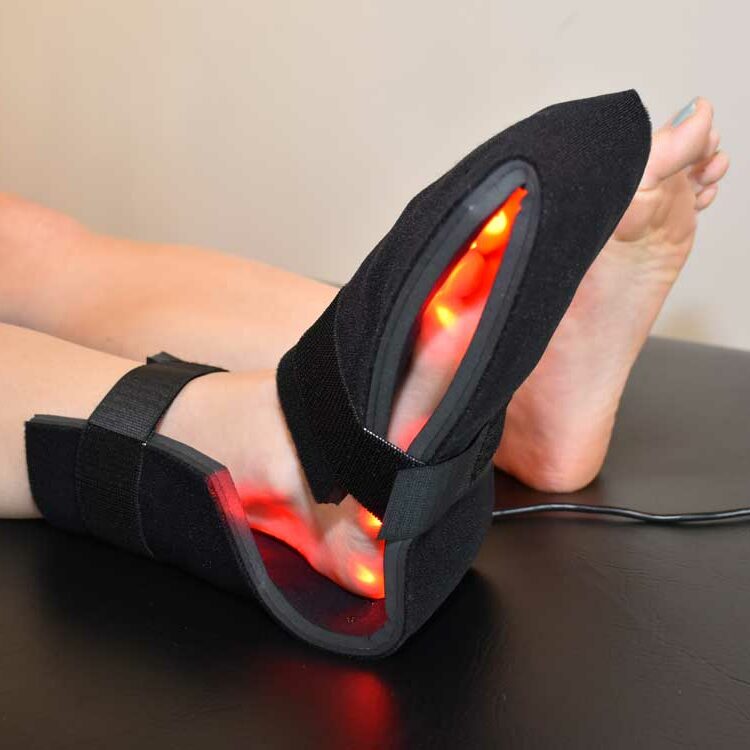
Infrared light therapy is a non-invasive modality that uses light-emitting diodes (LEDs) to deliver specific wavelengths of red and near-infrared (NIR) light—typically 600–1000 nm. These wavelengths are studied for their ability to temporarily relieve pain and increase local circulation.
Unlike heat therapy, infrared therapy works through photochemical rather than thermal effects. Similar to how plants respond to sunlight, the body’s cells can respond to targeted wavelengths of light when delivered in appropriate intensity.
Other Names For Infrared Light Therapy
Other names you might hear to describe red light therapy include:
- Low-level laser light therapy.
- Red light therapy
- Low-power laser therapy.
- Non-thermal LED light.
- Soft laser therapy.
- Cold laser therapy.
- Biostimulation, photonic stimulation.
- Photobiomodulation
- Phototherapy.
The Science Behind Infrared Light Therapy
Infrared light therapy has been researched for decades:
1993 — Duke University published early work showing the biological response of tissue to light.
1998 — Nobel Prize in Physiology awarded for research demonstrating how nitric oxide causes blood vessels to dilate, a key mechanism also observed in infrared therapy’s temporary circulation-boosting effects.
Today, LEDs are the preferred technology because they are:
- Safe and non-invasive
- Cost-efficient
- Able to cover larger treatment areas
- Do not require protective eyewear like medical lasers
HealthLight devices use high-quality medical-grade LEDs designed to deliver consistent, targeted wavelengths used in PBM research.
There are many uses for HealthLight devices.


How HealthLight Red Light Therapy Pads Compare To Other Light Therapy Devices
When you’re investing in a red or near infrared therapy device, power and dose matter. Below is a simplified look at performance differences across popular brands:
How It Can Benefit You
How Infrared Light Therapy Works
Infrared light therapy uses low-level light in the near-infrared (NIR) spectrum to interact with light-sensitive molecules in your cells. Here’s what happens:

Light Penetrates Tissue:
NIR light passes through skin, reaching muscles, joints, and connective tissues where pain or stiffness often occurs.
Mitochondria Absorb Light:
Cells’ energy generators (mitochondria) use this light to produce more ATP (cellular energy).
Enhanced Cellular Function:
Increased energy allows cells to repair themselves, maintain normal function, and produce protective antioxidants.
Vasodilation Boosts Circulation:
Blood vessels expand, improving oxygen and nutrient delivery while helping remove metabolic waste.
Key Benefits of Infrared Light Therapy

Pain Relief
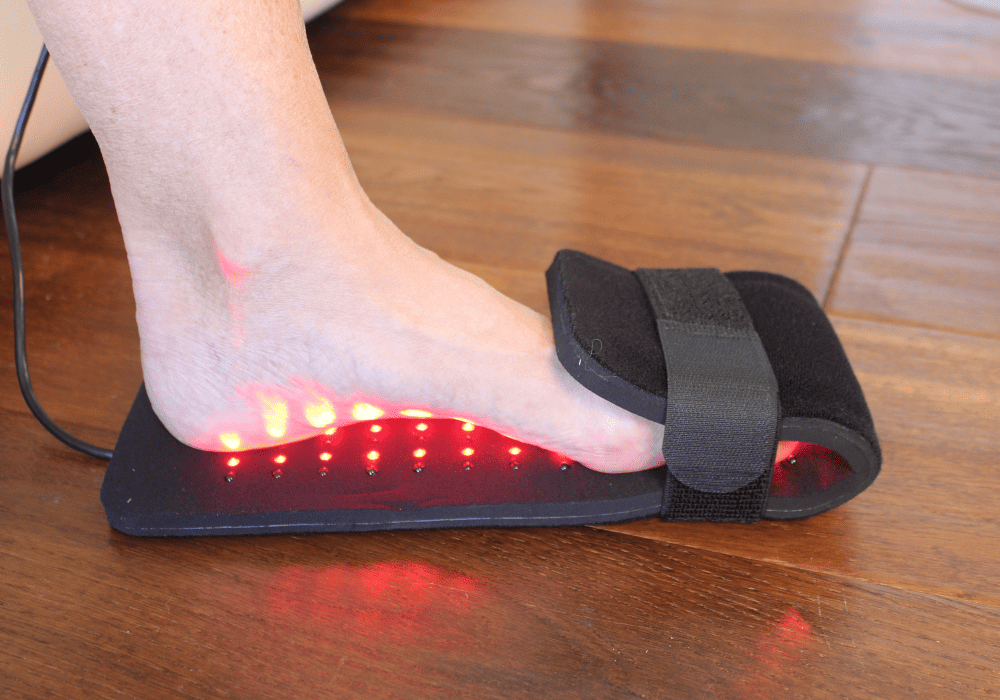
Infrared light gently penetrates tissues and stimulates blood flow to the affected area. This can temporarily reduce discomfort from conditions like:
Arthritis
Muscle Soreness
Post-injury Stiffness
Improved Circulation
Infrared light promotes vasodilation, allowing oxygen and nutrients to reach tissues more efficiently. Benefits include:
Faster recovery from injuries and exercise
Healthier joints and muscles
Support for cardiovascular function
Cellular Support
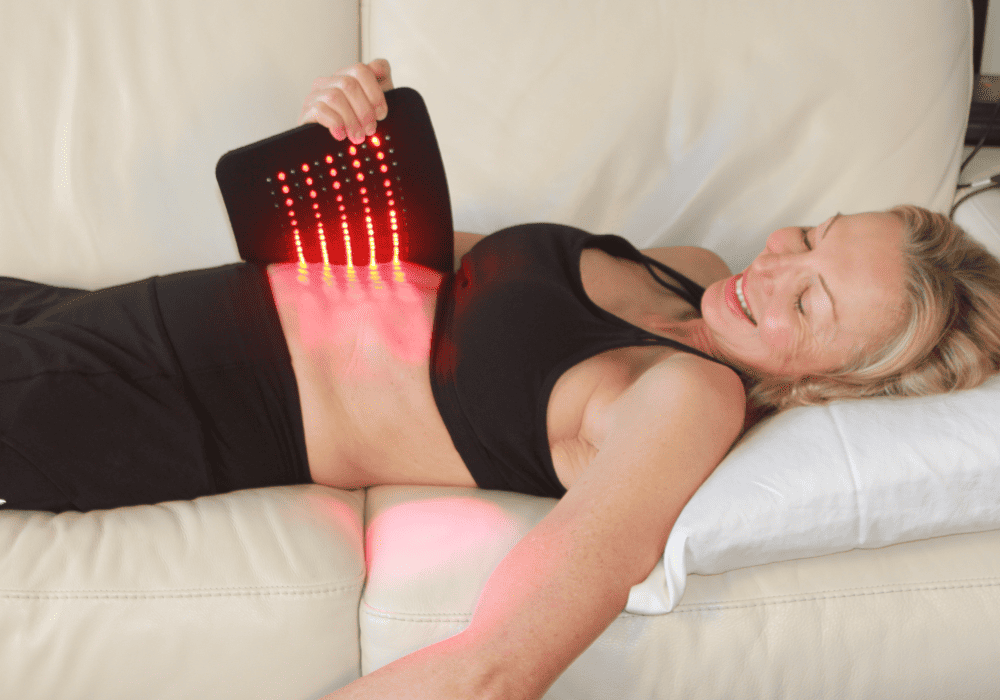
Enhanced cellular energy helps your body repair and maintain tissues naturally. It also triggers the release of antioxidants to help reduce oxidative stress—a factor in inflammation and aging.
Uses for Near Infrared Light Therapy
Near infrared (NIR) light therapy is a versatile, scientifically backed treatment that can benefit a wide range of people—from elite athletes to those with chronic pain or sedentary lifestyles. By safely delivering specific wavelengths of light (typically 810–850 nm) to the body, NIR therapy stimulates cellular energy, improves circulation, and supports natural tissue repair.

For Athletes and Fitness Enthusiasts
How It Helps: Athletes often deal with temporary muscle aches or stiffness after training. NIR therapy can help by:
Easing aches and pains
Increasing local circulation to the area
Helping muscles feel looser and more comfortable
These effects make it a useful wellness tool before or after workouts. Many athletes use it as part of their recovery routine because it’s non-invasive, drug-free, and easy to apply to specific muscles.
How It Works
NIR light reaches deeper tissues and temporarily increases circulation, which helps bring oxygen and nutrients to the targeted area. This natural response can help the body feel more comfortable after physical activity.
For Individuals with Ongoing Joint or Muscle Discomfort
How It Helps: People living with ongoing joint or muscle discomfort often look for simple, supportive tools they can use at home. NIR therapy may help by:
Temporary relief of minor aches
Increasing local circulation
Relaxing muscles in the treated area
These benefits can make daily movement and routine activities feel more manageable.
How It Works
When NIR light is applied to the skin, it gently warms tissues and supports local blood flow, which can ease discomfort and help muscles relax naturally.

For Desk Workers and Sedentary Lifestyles
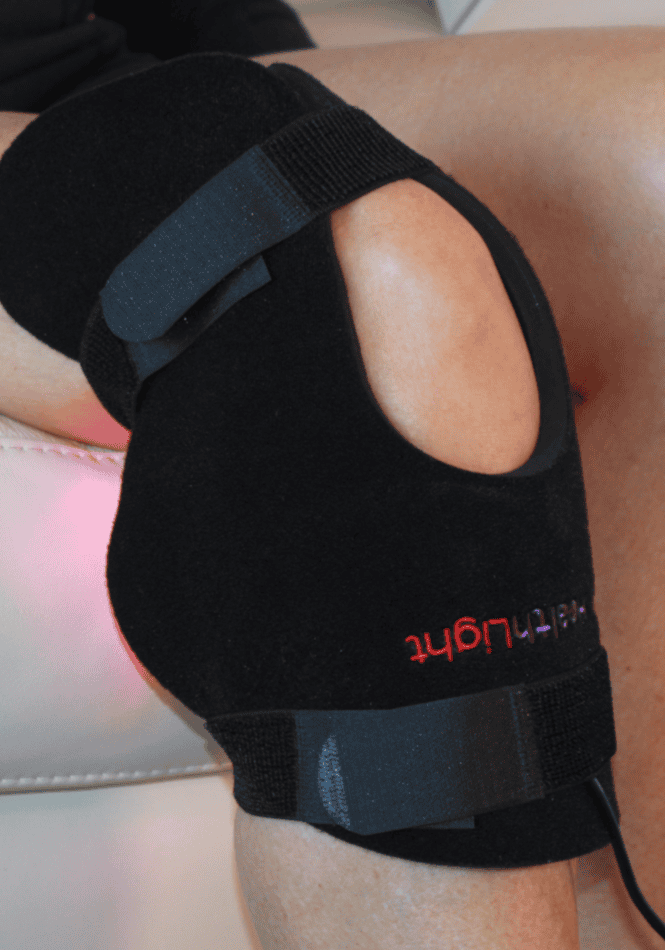
How It Helps: Long hours at a desk can lead to tension in the neck, back, shoulders, or wrists. NIR therapy offers:
Easing aches and pains
Muscle relaxation
A simple way to support comfort during or after long workdays
How It Works
NIR light increases circulation locally, helping tight or overworked muscles feel more relaxed. Many people pair sessions with stretching for better comfort throughout the day.
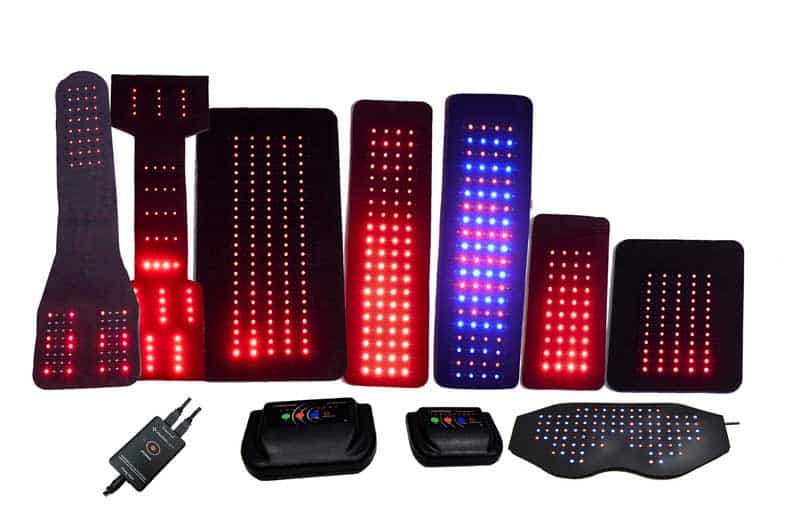

Why People Choose HealthLight Devices
HealthLight devices are:
- FDA-cleared for increasing local circulation and decreasing pain
- Manufactured in a state-of-the-art U.S. facility near Chicago
- Designed with high power output for effective light delivery
- Ready to ship with no supply chain delays
HealthLight devices are trusted by clinicians, physical therapists, wellness centers, and thousands of home users who want a safe, easy, drug-free way to support their comfort and wellbeing.
The Healthlight Difference
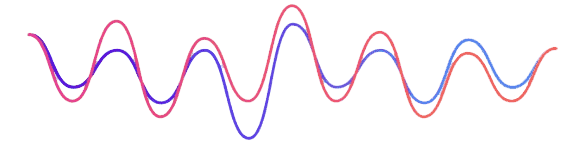
Ability to maintain narrow band of beneficial wavelengths
Infrared Light Therapy FAQs
Infrared light therapy works in multiple different applications. Research suggests that it can temporarily relieve pain and improve circulation, leading to its increasing popularity. However, the effectiveness of infrared light therapy can vary depending on the condition being treated, the specific parameters used (wavelength, intensity, duration), and individual responses. In conclusion, YES, red light therapy works.