

Summary
Many low-cost red light therapy devices fail to deliver real results due to low energy output, poor LED quality, inaccurate wavelengths, and poor body fit. This article explains why cheaper alternatives often don’t work and how high-quality, well-designed devices provide safer, more effective red light therapy outcomes.
Medically reviewed by Karen Wolters, RN
The rise in popularity of red light therapy means that there has also been a rise in low-cost devices sold by online retailers. While these may be tempting to try out, they are cheap for a reason, and will likely leave you feeling disappointed.
Not all red light therapy devices are created equal
The effectiveness of a device is determined by the quality of its LEDs, body-fit and energy output. If you opt for a low-cost alternative, it’s unlikely that each element of the device reaches the standards needed to deliver real benefit.
So, why isn’t your red light therapy device working?
Reason 1: Not enough light energy
Whether you measure the mW from the pad to the body or the joules delivered in a 20 minute session, independent laboratory testing has confirmed that HealthLight devices deliver the highest possible amount of light energy to the skin.
On the other hand, low-cost brands would need significantly more time to deliver the same amount of light to the body. Not only is this inconvenient, it could potentially shorten the device’s lifespan and cause safety issues relating to the temperature of the device.
The FDA requires that LED products do not exceed temperatures of 105F. All HealthLight pads operate at a temperature between 98-105F. As a result, a full 20-minute session, providing the highest amount of joules can be conducted without exceeding the FDA requirements.
Alternative suppliers could reduce the energy output or the number of LEDs to meet the FDA requirements, or simply ignore the requirements altogether, potentially putting users at risk. This could be especially dangerous for patients with foot or hand numbness, who may struggle to feel the higher temperatures.

Reason 2: Poor LED wavelength accuracy
In order to maintain a narrow band of the critical red and infrared waves needed for effective treatment, the LEDs within the red light therapy device need to be high-quality. Cheap often means low quality LEDs, impacting the efficacy of the treatment.
Low quality LEDs could lead to rapid fluctuations in light intensity i.e. flickering, which would reduce the stability of the light absorbed by the cells. The LEDs in cheaper devices might also be sparsely packed, causing “blackout” gaps where no therapeutic light is delivered to the skin at all.
There are also the longevity impacts of opting for low-cost LEDs, with the LEDs potentially degrading faster, meaning you might have to buy a new device long before you would with a more expensive product, canceling out any original cost savings.
Reason 3: Your body has stopped responding
Much like with medications, the more your body is exposed to red light therapy, the more of a tolerance it builds up. HealthLight devices have a special microprocessor controlling the LEDs, which enables them to pulse, rather than providing a continuous light. The pulsing means that the body does not build up the tolerance and continues to respond to the red light therapy with every treatment.
Low-cost alternatives are unlikely to feature a pulsing function, meaning your body could become tolerant to the treatment much quicker, causing the benefits to be significantly reduced.
Reason 4: The device doesn’t fit your body
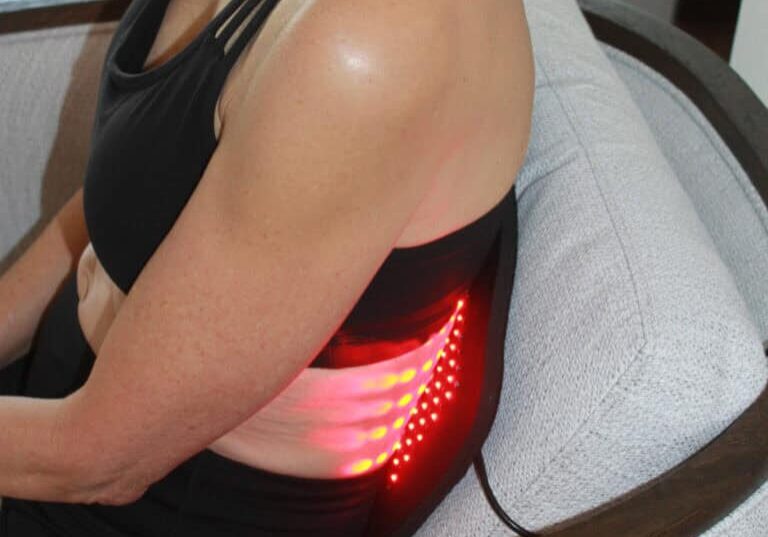
Red light therapy works best when it is directly targeted at a certain area of the body. In order to do this effectively, the device needs to be in close contact with the treatment site. Products made of hard plastic or panels disperse the light, potentially reducing the mW and joules reaching the treatment site by up to 90%.
The National Strength and Conditioning Association (NSCA) states that the red light should cover “as much area as possible to more effectively stimulate the muscle groups involved”, which is why a correctly fitting device is so important.
HealthLight’s soft and flexible neoprene pads conform to the shape of the body, minimizing any loss of light and ensuring the light energy goes directly to the place it’s needed most.
Reason 5: Light is being wasted instead of targeted
Think about a spotlight versus a lamp – the spotlight focuses intensely on one point, whereas the lamp scatters the light around the room. That’s the difference between a HealthLight red light therapy device and a cheaper alternative.
HealthLight products use a 20-degree focused angle LED, which delivers light energy directly to the treatment site. Without that direct targeting, you might feel little to no relief, no matter how consistently you use the device.
When it comes to red light therapy, don’t gamble with your well-being to save a few dollars. Instead, purchase devices you know you can trust to deliver the best results.
Start Your Pain Relief Journey Today
Contact us now and speak with a light therapy expert. They are here to help you find relief at home with soothing red light therapy.