Summary
Wound healing happens in four stages: clotting, inflammation, new tissue growth, and scar remodeling. While red light therapy cannot heal wounds directly, studies show it may support the healing process by improving circulation, reducing inflammation, and easing pain. Research has found higher healing rates and lower pain levels in wounds treated with red light therapy compared to untreated wounds. When used alongside proper wound care, red light therapy may help make recovery more comfortable.
Medically reviewed by Karen Wolters, RN
There are four main stages of wound healing:
- Hemostasis – Blood clots to stop bleeding.
- Inflammation – Redness and swelling occurs as immune cells fight bacteria and clear debris.
- Proliferation – Creation of new tissue, blood vessels and skin cells.
- Remodeling – Strengthening and fading of scar tissue.
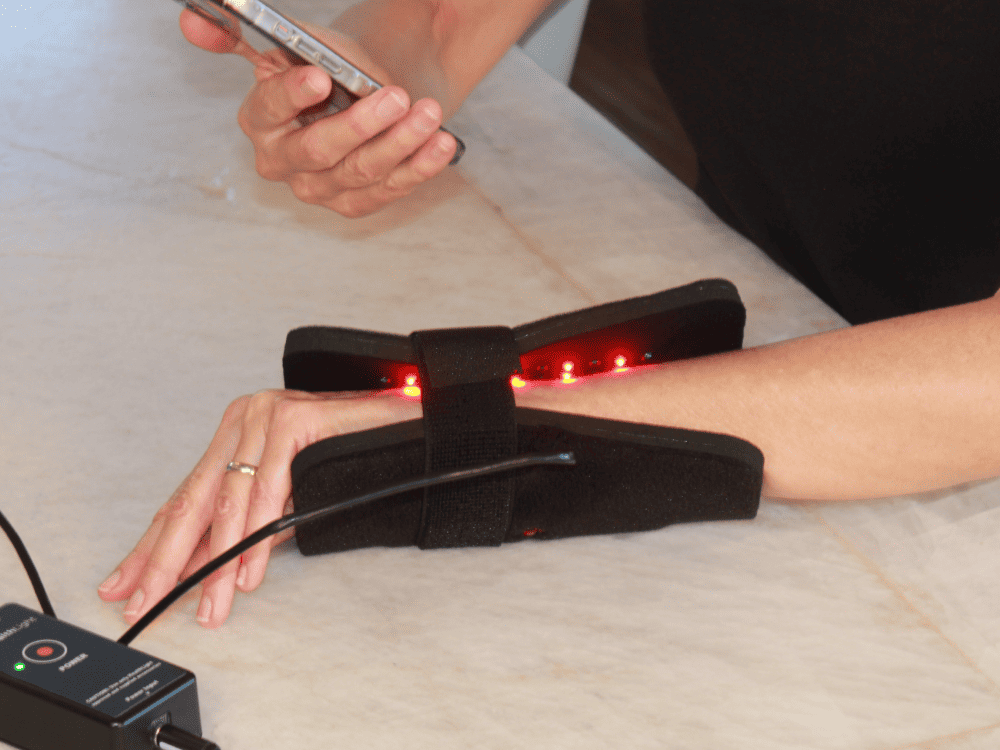
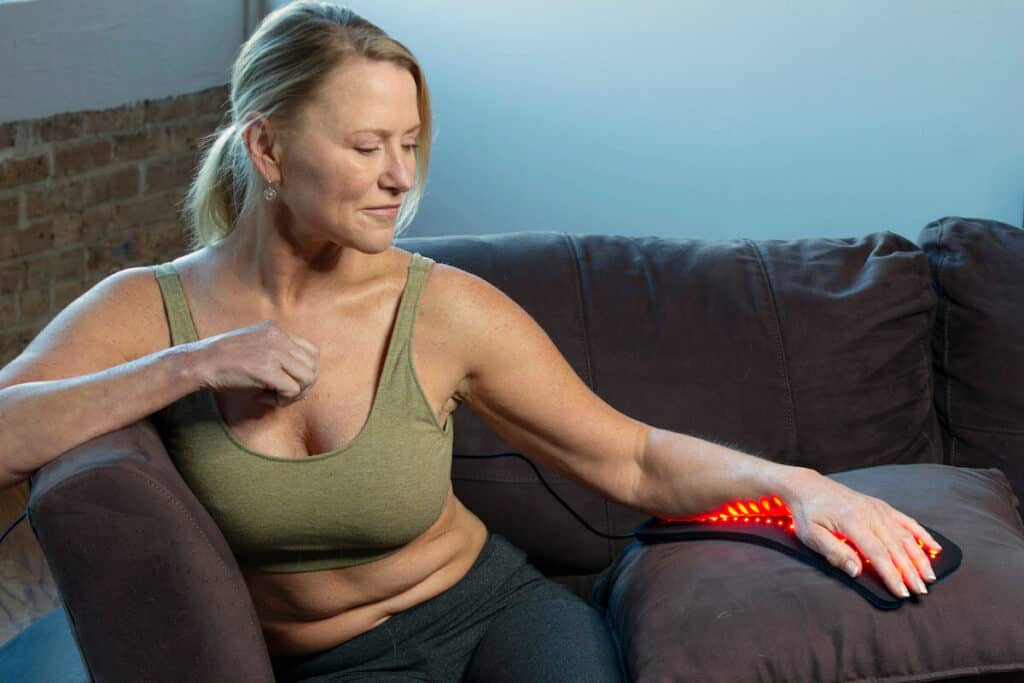
While red light therapy cannot directly heal a wound, it has been found to support the healing process by improving circulation and reducing pain.
In fact, in 2024, a meta-analysis of 18 randomized trials concluded that wounds treated with red light therapy had a higher rate of complete healing compared to untreated wounds. The study also discovered that patients reported less pain at the wound site following treatment. [New Health Journal]
So, how can HealthLight’s red light therapy devices support wound relief?
Red Light Therapy Helps With Circulation improvement
Good circulation is vital to efficiently delivering the nutrients and oxygen that damaged tissues need to repair, as well as removing waste products that cause pain and swelling.
Red light therapy works by directing low-level red and near-infrared light into the body’s tissues. These wavelengths penetrate the skin, activating mitochondria and generating more ATP (cellular energy). ATP binds to blood vessel walls triggering vasodilation, which increases blood flow.
Red Light Therapy Helps With Pain reduction
The discomfort caused by a wound is one of the most unpleasant parts of the healing process. It can even slow down recovery. Red light therapy has been found to alleviate pain associated with inflammation, helping patients to feel more comfortable.
A study exploring the pain relief capabilities of red light therapy were performed on 32 pediatric patients undergoing myeloablative therapy before a bone marrow transplant. The patients received red light therapy on one side of their mouth, with the other side given a sham treatment. There was a 48 and 39% reduction of treated left and right buccal pain respectively compared to the untreated areas at about day seven post-transplant. [national-toxic-encephalopathy-foundation]
As shown by this study, including red light therapy as part of a pain management routine, could be beneficial and potentially reduce the need for over-the-counter pain medications.
The warmth provided by red light therapy can also be a comfort in itself, helping patients to relax as they recover.
Scar Tissue Improvement
Red light therapy may help support the skin’s natural processes, including collagen activity, which is important for maintaining healthy-looking skin. Collagen is a key structural component of the skin that contributes to texture and elasticity, and supporting its natural activity can help skin appear smoother over time.
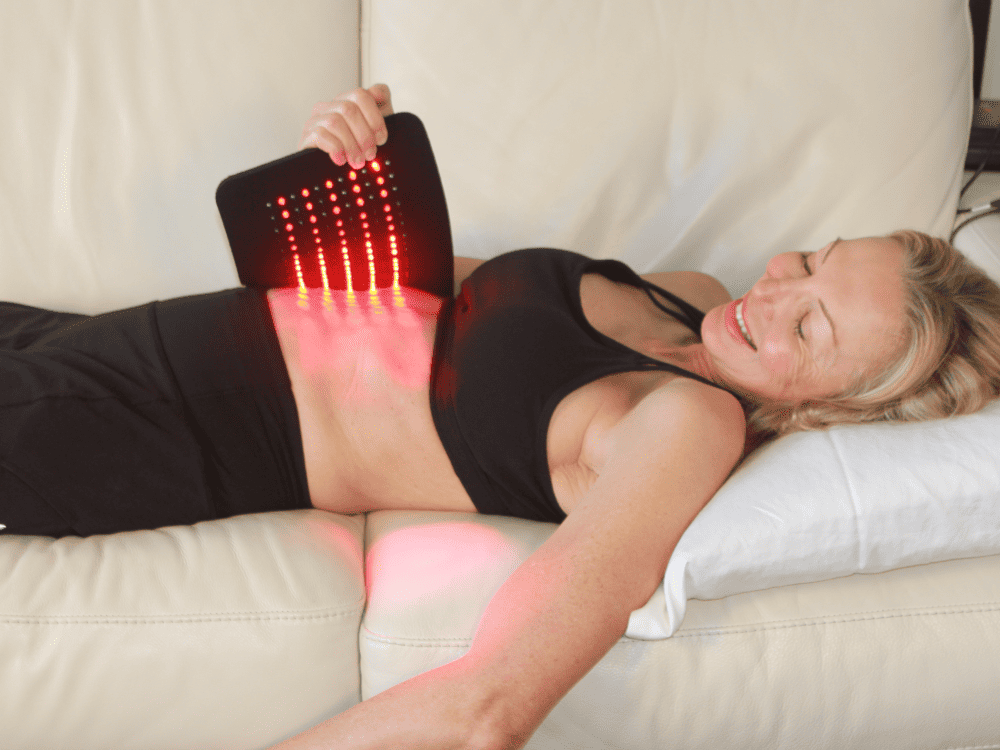
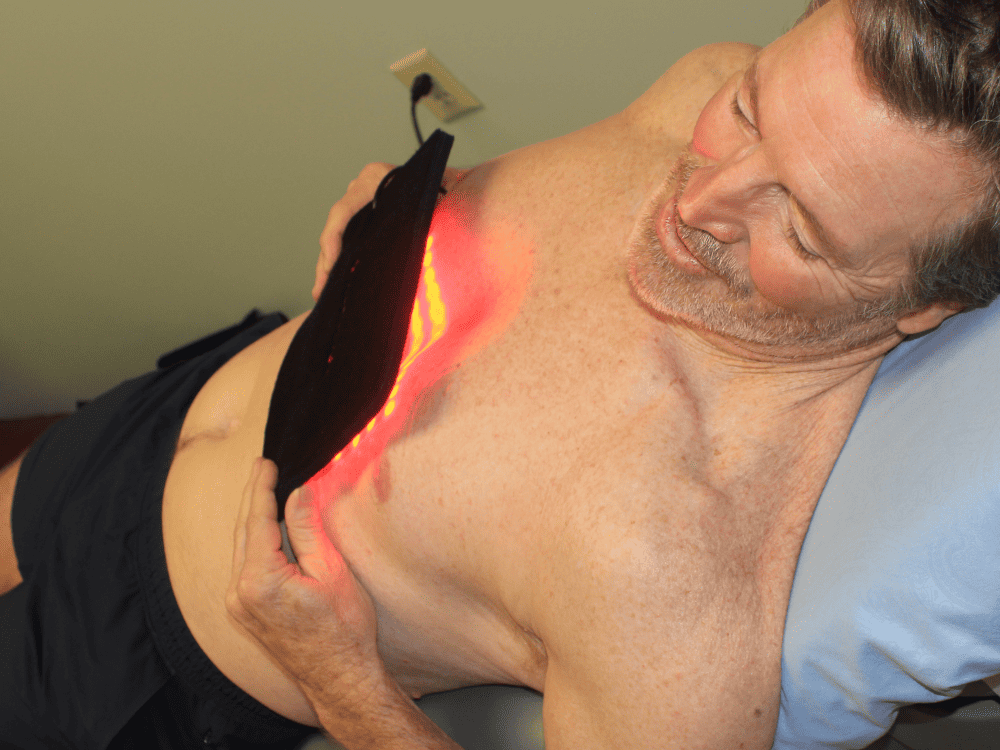
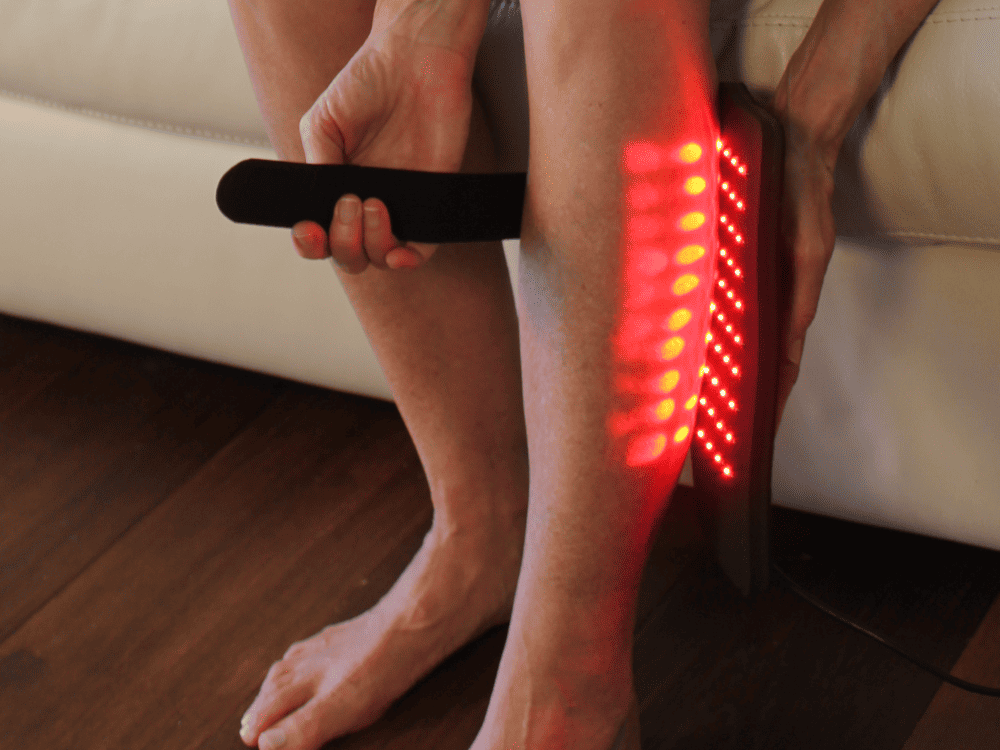
For best use, red light therapy pads should be placed directly over the wound site. HealthLight has a range of devices, each designed for different parts of the body, so you can find the product that best fits your needs.
HealthLight also offers products that emit blue light in addition to red light. Blue light is capable of combating germs, helping your wound to stay infection free with the right care.
With consistent use, alongside structured treatment and management plans, red light therapy can make the healing of a wound a more comfortable process. However, while red light therapy is a non-invasive and low-risk treatment when used properly, it’s important to seek advice from your healthcare provider before use.
Start Your Pain Relief Journey Today
Contact us now and speak with a light therapy expert. They are here to help you find relief at home with soothing red light therapy.

Recent Posts